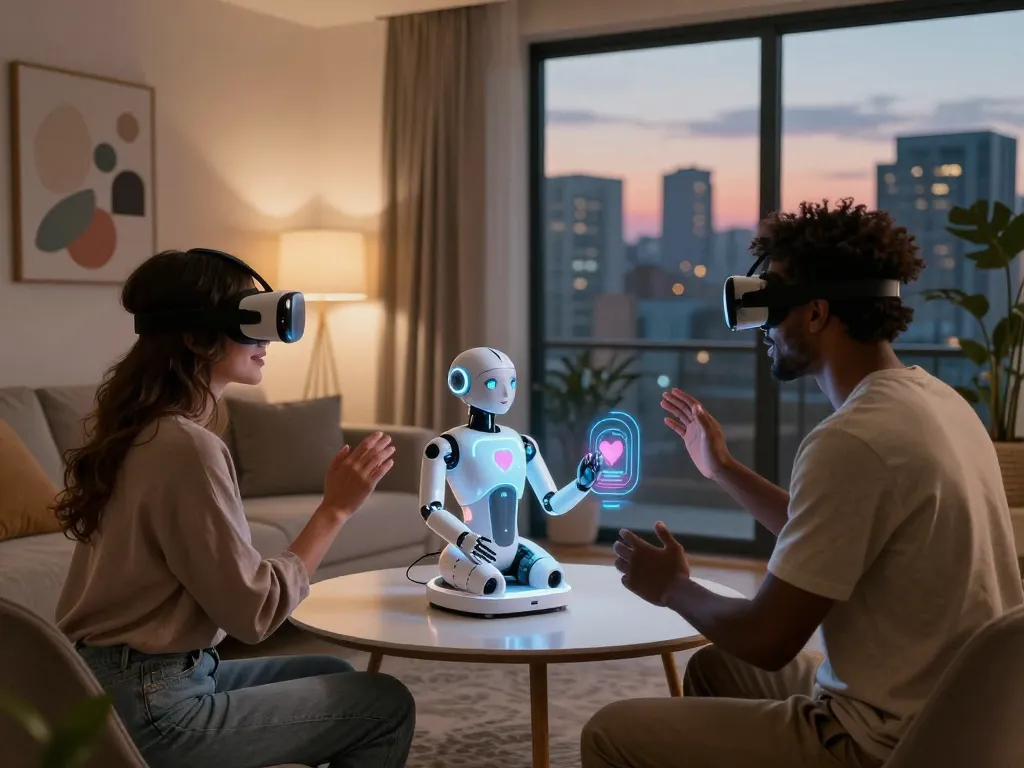
The Evolution of AI in Intimacy: Understanding the Landscape
The integration of artificial intelligence into intimate relationships is a rapidly evolving frontier that aims to enhance emotional bonds and redefine personal connections. As technology advances, so does the concept of ai sex, a term that encapsulates a range of applications from AI-driven chatbots to sophisticated sex robots. This intersection of technology and intimacy prompts critical discussions about the future of relationships, emotional well-being, and ethical considerations, especially in a world facing unprecedented shifts in how we communicate and connect with one another.
1. What is AI Sex Technology?
AI sex technology encompasses a variety of platforms and devices designed to enhance sexual experiences through artificial intelligence. This includes AI chatbots that engage users in intimate conversations, virtual reality environments that simulate physical connections, and sex robots that can interact and respond to emotional cues. These technologies not only serve the purpose of sexual gratification but also aim to facilitate deeper emotional connections, making them a focal point in discussions surrounding modern intimacy.
2. Historical Context and Development
The roots of AI in intimacy date back several decades, with early developments in robotics and computer-generated interactions paving the way for contemporary innovations. In the early 2000s, the emergence of rudimentary chatbots marked the beginning of AI’s role in personal relationships. With advancements in machine learning and natural language processing, AI systems have grown increasingly sophisticated, allowing for more nuanced and human-like interactions.
Today, sex technology is experiencing a renaissance, driven by advancements in AI capabilities, changing societal norms around sex and intimacy, and a growing acceptance of technology as a valid partner. Researchers and developers are continuously pushing the boundaries of what is possible in this arena, creating products that cater to a diverse range of preferences and needs.
3. Current Trends and Innovations in 2026
The landscape of AI sex technology in 2026 is characterized by several key trends:
- Increased Personalization: AI algorithms are becoming adept at learning individual preferences, allowing for tailor-made experiences that cater to unique user desires.
- Integration with Augmented Reality (AR): AR technologies are being employed to create immersive experiences that blend the digital and physical worlds, enhancing user engagement and realism.
- Emotional Intelligence: The development of emotionally intelligent AI, capable of responding to users’ feelings and moods, is transforming interactions from simple exchanges to deeply affectionate relationships.
- Safety and Ethics: As the industry progresses, there is heightened attention on the ethical implications of AI in intimacy, including consent, user data protection, and the potential for abuse.
Impacts of AI on Sexual Wellness and Relationships
1. Enhancing Emotional Connections
The potential for AI to enhance emotional intimacy is significant. Platforms employing AI technology can help users articulate their feelings, fostering deeper connections. Tools like virtual companions can provide emotional support, enabling individuals to explore their relationships more profoundly. Moreover, these interactions can alleviate feelings of loneliness, particularly among marginalized groups who may struggle to find companionship in traditional settings.
2. Addressing Risks and Ethical Concerns
While AI technologies offer numerous benefits, they also pose risks. There are concerns about privacy, with sensitive user data at risk of exploitation. Additionally, the potential for AI to be misused in generating non-consensual content or facilitating harmful behaviors is a pressing ethical dilemma. Addressing these risks requires a collaborative approach involving developers, regulatory bodies, and users to create a framework that prioritizes safety and consent.
3. Balancing Technology with Human Relationships
As AI becomes more integrated into intimate relationships, it raises questions about the essence of human connection. There is a delicate balance between leveraging technology to enhance relationships and maintaining the authenticity of human interactions. Users must navigate their preferences, understanding how much they wish to rely on technology versus traditional methods of building human connections.
Legal Considerations and Compliance in AI Sex Products
1. Current Regulations and Legislation
The legal landscape surrounding AI sex technologies is continually evolving. Currently, many jurisdictions are grappling with how to regulate AI-generated content, especially concerning consent and the protection of minors. Laws are emerging to ensure that AI products adhere to ethical standards and safeguard user rights. Companies developing AI sex products need to stay informed about these regulations to ensure compliance and avoid legal repercussions.
2. Case Studies on Compliance Failures
Several high-profile compliance failures illustrate the importance of adhering to regulations. For instance, companies that overlooked age verification protocols for adult content faced significant legal action. These cases underscore the necessity for developers to implement robust compliance measures from the outset to protect users and their brands.
3. Future Legal Trends to Monitor
Looking ahead, we can expect a tightening of regulations around AI technologies, including stricter requirements for data handling and user consent. There will likely be increased scrutiny on the relationship between AI and personal relationships, leading to laws that specifically address the unique challenges posed by these technologies. Stakeholders in the AI sex industry should proactively engage with lawmakers to shape policies that uphold ethical standards while fostering innovation.
Best Practices for Developers and Marketers in the AI Sex Industry
1. User-Centered Design Principles
Developers must prioritize user-centered design principles to create products that resonate well with users’ needs and expectations. This involves conducting thorough research to understand the target audience, ensuring the product is accessible, intuitive, and engaging. By focusing on user experience, developers can enhance product adoption and satisfaction.
2. Ethical Marketing Strategies
Ethical marketing is crucial in the AI sex industry. Companies should avoid sensationalism and misleading claims, instead focusing on transparent communication about their products’ capabilities and limitations. Building a genuine rapport with consumers can foster trust and long-term brand loyalty.
3. Building Community Trust and Safety
Establishing a safe community is paramount when dealing with sensitive subjects like intimacy. Companies should create platforms where users can share experiences and feedback without fear of judgment. This sense of community can help to demystify AI in intimacy and promote healthy discussions around its use.
Looking Ahead: The Future of AI in Intimacy
1. Predictions for 2030 and Beyond
As we look towards 2030, we can expect the technology to become even more advanced, with AI capable of creating hyper-realistic simulations of intimate encounters. This could lead to wider acceptance of AI companions as viable partners, altering the landscape of relationships significantly. Ethical considerations will also continue to shape the conversation, with societies wrestling with the implications of such advancements.
2. Influential Technologies on the Horizon
Beyond AI, technologies such as virtual reality, blockchain, and enhanced privacy protocols will play crucial roles in the evolution of intimacy products. These innovations may help create safer, more immersive experiences for users while addressing concerns related to consent and privacy.
3. Navigating Social and Cultural Shifts
As attitudes toward technology and intimacy evolve, industries must remain agile, adapting to cultural shifts. This includes embracing diversity and inclusivity in product design and marketing while promoting healthy dialogue around the use of AI in relationships. By aligning with societal values, companies can foster acceptance and enhance user experience.
What are the potential benefits of AI in sexual health?
AI technologies can play a crucial role in sexual health by providing valuable resources, personalized advice, and facilitating access to sexual health services. Through interactive platforms, users can learn about safe practices, understand their bodies, and even receive tailored recommendations for enhancing their sexual well-being.
How do AI sex technologies impact relationship dynamics?
The introduction of AI sex technologies can shift relationship dynamics, impacting how partners interact and engage with each other. Some may find that AI complements their existing relationships, enhancing communication and understanding. Others might grapple with the potential for dependency on technology, which could disrupt traditional relational structures.
What ethical considerations should consumers be aware of?
Consumers must consider the ethical implications of engaging with AI technologies in intimacy, particularly regarding consent, data privacy, and the potential for unrealistic expectations. Understanding the limitations of AI and approaching these technologies with a critical eye is essential for fostering healthy relationships.
How is legislation evolving to regulate AI intimacy products?
Legislation is evolving to address the unique challenges posed by AI intimacy products, focusing on user safety and ethical standards. This includes scrutiny over data protection, consent protocols, and age verification measures. Staying informed about these changes is vital for both developers and consumers.
What role do users play in shaping AI development?
User feedback is essential in shaping the development of AI technologies. Developers should actively solicit input on features, functionality, and user experience. By engaging the community in the development process, companies can create products that genuinely meet the needs and expectations of their audience.
About the Author