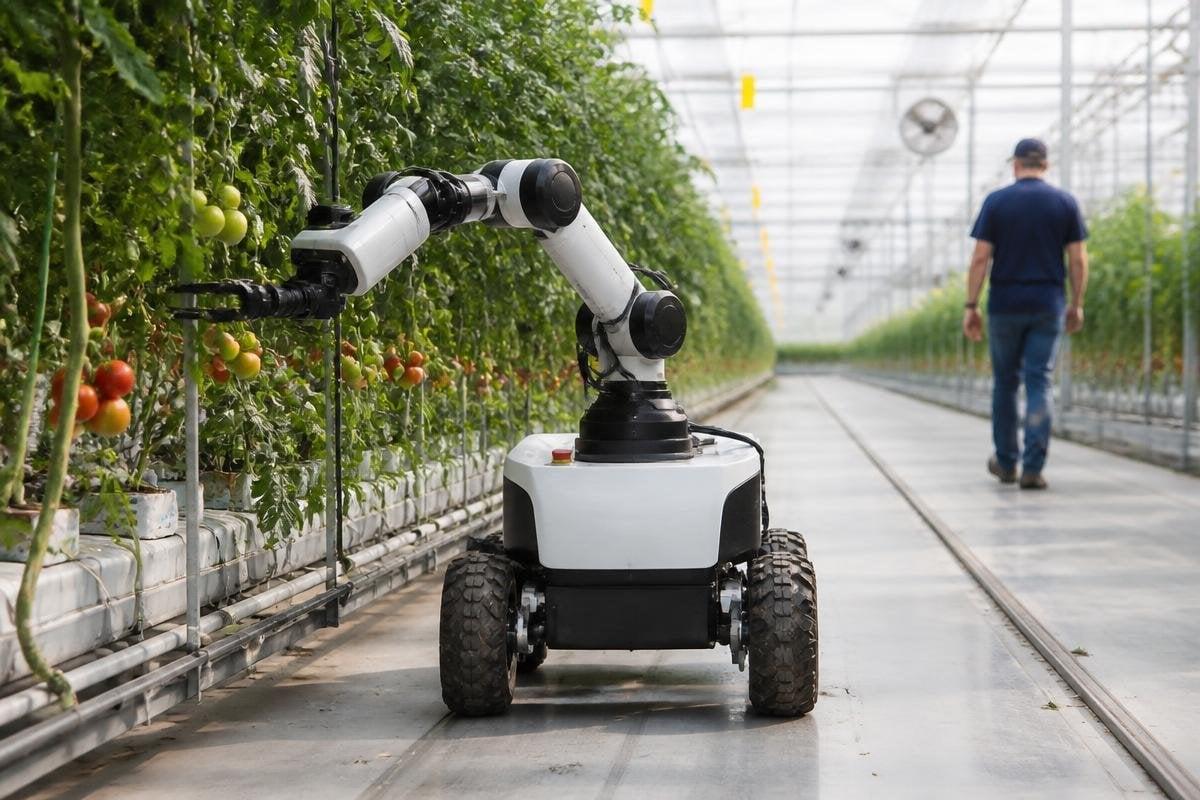
Understanding Enterprise AI
As businesses increasingly adopt advanced technologies, the role of Enterprise AI becomes crucial in driving efficiency and innovation. This concept refers to the integration of artificial intelligence within organizational processes, enabling companies to leverage data and automate decision-making at scale. By understanding the fundamentals of Enterprise AI, businesses can better navigate the complexities of modern operations, from streamlining workflows to enhancing customer interactions.
What is Enterprise AI and Its Core Components?
Enterprise AI entails the application of artificial intelligence technologies to optimize business processes and decision-making. Core components include machine learning algorithms, natural language processing (NLP), and predictive analytics, which work together to analyze data, identify patterns, and make informed decisions. In essence, Enterprise AI transforms how organizations operate by enabling them to process vast amounts of data efficiently and extract actionable insights.
How Enterprise AI Differs from Traditional AI
While traditional AI often focuses on individual applications, such as chatbots or image recognition, Enterprise AI encompasses a broader scope, integrating multiple AI technologies into cohesive systems that can address complex organizational challenges. Unlike standalone AI systems, Enterprise AI solutions are designed to interact with existing business processes, making them more effective in driving significant operational improvements.
The Role of Custom AI Models in Enterprise Applications
Custom AI models play a pivotal role in Enterprise AI by enabling organizations to develop solutions tailored to their specific needs. These models can be built from the ground up or adapted from existing applications, ensuring they align with the unique requirements of the business. By leveraging customized AI, organizations can enhance accuracy, efficiency, and relevance in their operations.
Identifying Opportunities for AI Implementation
To maximize the benefits of Enterprise AI, organizations must first identify where AI can create value. This involves mapping current processes and assessing specific business needs to pinpoint opportunities for integration.
Mapping Current Processes for AI Integration
A thorough analysis of existing workflows is critical in determining which processes can benefit from AI integration. By documenting current operations and identifying bottlenecks, organizations can prioritize areas where AI can bring the most significant improvements. For example, automating data entry or customer support responses can lead to substantial time savings and increased accuracy.
Assessing Business Needs: Challenges and Solutions
Understanding the challenges faced by the organization is essential in deploying effective AI solutions. Businesses should evaluate pain points across departments, such as slow decision-making or consistent errors in data handling. By defining these challenges clearly, companies can seek out AI technologies that address their specific issues, ultimately streamlining operations and enhancing productivity.
Case Studies: Successful Enterprise AI Deployments
Several companies have successfully implemented Enterprise AI, demonstrating its potential to transform business operations. For instance, a major financial institution utilized AI-driven analytics to enhance fraud detection, resulting in a notable decrease in fraudulent transactions. Similarly, a retail giant adopted personalized recommendation systems powered by AI, leading to improved customer engagement and increased sales.
Developing a Tailored AI Strategy
Crafting an effective AI strategy is imperative for organizations aiming to leverage Enterprise AI successfully. This involves setting clear objectives, engaging stakeholders, and establishing performance metrics to measure success.
Steps for Crafting an Effective AI Strategy
1. Assess Current Capabilities: Evaluate existing data, technology infrastructure, and expertise within the organization.
2. Identify Goals: Define specific objectives, whether they focus on improving operational efficiency, enhancing customer experience, or driving revenue growth.
3. Engage Stakeholders: Collaborating with team leads across the organization ensures that the AI strategy aligns with broader business goals and garners the necessary support.
4. Set Measurable Metrics: Establish criteria for success, including KPIs that will help track progress throughout the implementation phase.
Establishing Measurable Goals for AI Projects
Creating measurable goals is crucial to gauging the effectiveness of an AI initiative. Organizations should focus on quantifiable outcomes, such as reduced processing times, increased accuracy rates, or enhanced customer satisfaction scores. By continuously monitoring these metrics, businesses can make informed adjustments to their AI strategies and ensure alignment with overall objectives.
Collaborating with Stakeholders for Successful Adoption
Successful adoption of Enterprise AI requires collaboration across various levels of the organization. By engaging stakeholders from different departments, companies can foster a culture of innovation and facilitate smoother transitions when incorporating AI technologies. Regular communication and feedback loops can further enhance collaboration, ensuring that AI solutions effectively address the needs of all teams.
Integrating AI into Existing Systems
The integration of AI into existing business systems poses its unique set of challenges. Adopting best practices can streamline this process and maximize the impact of AI technologies.
Best Practices for Seamless AI Integration
1. Assess Existing Infrastructure: Understand the current tech stack and determine how AI can complement or enhance existing systems.
2. Utilize APIs: Leveraging APIs can facilitate smoother connections between AI models and existing workflows, allowing for more efficient data exchange.
3. Pilot Testing: Conduct thorough testing of AI solutions before full-scale implementation. This helps identify potential issues and areas for improvement.
4. Ongoing Training: Ensuring that team members are trained to use AI tools effectively promotes smoother integration and better utilization of technology.
Evaluating System Performance and Adjustments
Once AI systems are integrated, monitoring performance is vital. Organizations should regularly assess the effectiveness of AI models and workflows, making adjustments as needed to optimize results. This iterative process can help maintain alignment with business objectives and adapt to shifting market demands.
Real-World Examples of Integration Success
Successful integration of AI has been observed across various industries. For instance, in healthcare, AI-driven diagnostic tools have been integrated into existing patient management systems, enabling faster and more accurate diagnoses. Similarly, in manufacturing, AI systems have streamlined supply chain management, enhancing inventory control and reducing costs.
Future Trends in Enterprise AI
As technology continues to evolve, Enterprise AI is expected to shape the future of business operations significantly. Staying ahead of emerging trends can help organizations maintain a competitive edge.
Emerging Technologies Influencing Enterprise AI
Several technologies are likely to influence the future of Enterprise AI, including:
- Edge Computing: Processing data closer to where it is generated, reducing latency and improving response times.
- Federated Learning: Enabling AI models to learn from decentralized data sources while preserving privacy and security.
- Explainable AI: As organizations increasingly seek transparency, AI systems that can elucidate their decision-making processes will gain traction.
Forecasting AI's Impact on Business Efficiency in 2026
By 2026, AI is expected to drive unprecedented levels of efficiency across industries. Companies that adopt AI solutions will likely see reduced operational costs, enhanced productivity, and improved decision-making capabilities. As AI technologies mature, organizations will leverage these capabilities to innovate and stay ahead of competitors.
Preparing for the Next Wave of AI Innovations
To prepare for future AI advancements, organizations should invest in upskilling their workforce and fostering a culture of continuous learning. This includes providing training programs focused on AI technologies, data analytics, and critical thinking. By understanding how to adapt to innovations, businesses can better harness the potential of AI in their operations.
What is the Future of Ethics in Enterprise AI?
As AI becomes more integrated into business processes, ethical considerations will become increasingly important. Organizations must address issues such as bias in AI models, data privacy, and the accountability of AI-driven decisions. Establishing ethical guidelines and ensuring compliance will be essential for building trust among stakeholders and customers.
How Can Enterprises Ensure Responsible AI Use?
Implementing responsible AI practices begins with establishing clear policies on data usage, transparency, and fairness. Organizations should conduct regular audits of AI systems to identify potential biases and ensure compliance with ethical standards. Engaging a diversity of perspectives during the development and deployment of AI technologies can also foster more responsible outcomes.