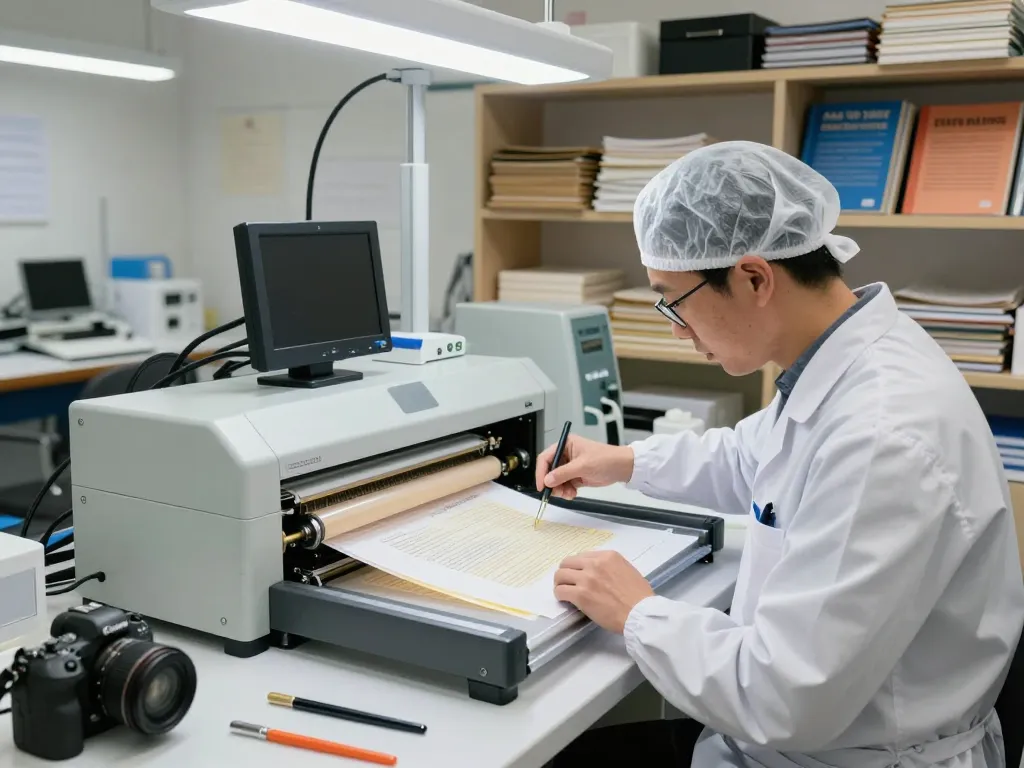
Understanding the Need for Địa chỉ bóc ép plastic
In the world of document preservation, understanding the methods and services available for removing plastic lamination is crucial for safeguarding your important paperwork. This is especially relevant in Hanoi, where many individuals seek reliable solutions for document restoration. The right Địa chỉ bóc ép plastic can make all the difference in ensuring your documents are restored without damage.
What Is Plastic Lamination?
Plastic lamination is a process that involves encasing documents in a thin layer of plastic film. This technique is typically used to protect important papers from environmental factors such as moisture, dirt, and wear. While lamination offers excellent protection, it can also make it difficult to access the original document when needed. Over time, the adhesive used in lamination can degrade, creating challenges for removal.
Common Issues with Laminating Documents
Despite the protective nature of plastic lamination, there are several common problems that arise:
- Damage During Removal: Many people attempt to remove the lamination themselves, often resulting in tearing or damage to the document.
- Adhesive Residue: The adhesive used in lamination can leave behind sticky residue, which can be difficult to clean without damaging the paper.
- Fading Ink: Heat or improper removal techniques can lead to fading or smudging of the printed material.
Understanding these issues is essential for ensuring that any restoration efforts are successful and do not compromise the integrity of the documents.
Importance of Professional Restoration Services
Professional restoration services are critical when dealing with laminated documents. Experts in this field utilize specialized techniques and equipment to ensure that documents are restored without incurring further damage. With over ten years of experience, professionals can assess the condition of your documents and recommend the best approach for restoration. Engaging a reputable service not only increases the chances of successful restoration but also mitigates the risk of permanent damage to valuable documents.
Methods for Safe Document Restoration
There are two primary methods for safely removing plastic lamination, each with its own set of advantages and disadvantages. Understanding the differences can help you choose the right approach based on your specific needs.
Using Heat for Lamination Removal: Pros and Cons
One common method for removing plastic lamination involves using heat. This can be achieved with a hairdryer, iron, or steam. While heat can soften the adhesive, allowing for easier removal, this method has its risks:
- Pros:
- Can be effective for minor lamination layers.
- Doesn’t require special tools or equipment.
- Cons:
- Risk of damaging the document due to excess heat.
- Potential for adhesive residue to remain.
- Can lead to fading or smearing of printed text.
Therefore, while heat can be an effective tool, it should be used with caution and ideally under the guidance of a professional.
Advanced Techniques: Non-Force Technology Explained
In contrast to heat-based methods, non-force technology provides a more reliable way to remove lamination without the risk of damaging the documents. This process, which may involve the application of specialized chemicals or vacuum techniques, minimizes the risk to the original paper:
- Advantages:
- Preserves the integrity of the original document.
- Eliminates the risk of tearing or damaging the printed material.
- Prevents adhesive residues from remaining.
- Disadvantages:
- Typically requires professional equipment.
- May be more costly than DIY methods.
Overall, non-force technology is considered the safest and most effective method for removing lamination, especially for documents that hold significant value.
Comparing Methods: What Works Best for Different Materials?
When deciding which restoration method to employ, consider the type of document you are dealing with:
- Standard Paper Documents: Non-force technology is often the best choice due to its effectiveness in preserving ink and paper integrity.
- Photos: Heat methods should be avoided as they can cause irreversible damage; therefore, professional services are recommended.
- Certificates and Important Legal Papers: Always opt for non-force removal to maintain authenticity and prevent damage to the document’s value.
Choosing the Right Địa chỉ bóc ép plastic Service
Selecting the appropriate service provider for document restoration is crucial to achieving satisfactory results. Here are some key factors to consider:
What to Look for in a Restoration Specialist
When searching for a reputable restoration service, keep an eye out for the following attributes:
- Experience: Ensure the provider has a proven track record in document restoration.
- Reviews and Testimonials: Look for feedback from previous clients to gauge the quality of service.
- Certifications: A good restoration service should have industry certifications and trained technicians.
Key Questions to Ask Potential Service Providers
Before deciding on a service, consider asking the following questions:
- What methods do you use for lamination removal, and how do they ensure the safety of the document?
- Can you provide references or case studies of similar work you’ve completed?
- What is your policy on document preservation and restoration guarantees?
Understanding the Cost and Timeframes Involved
Restoration services can vary significantly in cost based on the complexity of the job and the materials involved. Here are some factors influencing pricing:
- The type of document being restored.
- The method chosen for restoration.
- The turnaround time required for the service.
Always request a detailed quotation before proceeding to ensure that you’re aware of all potential costs involved.
Real-World Examples of Successful Restoration
Understanding the practical application of restoration services can be enlightening. Here are a few successful case studies and examples:
Case Studies: Document Recovery Success Stories
One notable case involved a family heirloom—an original birth certificate that had been laminated improperly. Professional restoration services utilized non-force technology, successfully removing the lamination without any damage to the document. The family was able to retain this precious piece of history, highlighting the effectiveness of specialized services.
Testimonials: Client Experiences with Địa chỉ bóc ép plastic Services
Clients frequently report high satisfaction rates with professional restoration services. One customer noted, “I never thought my damaged diploma could be restored to its original state until I found a great restoration service. They saved a family memory!” Such testimonials underline the importance of choosing the right service.
Lessons Learned from Difficult Restoration Projects
Challenges can arise during restoration; however, they often provide valuable lessons. For instance, a project involving a historical document revealed that preparation and proper assessment could prevent damage during removal processes. The importance of a thorough consultation before restoration cannot be overstated.
Future Trends in Document Restoration
The field of document restoration is continuously evolving, influenced by technological advancements and changing consumer needs. Here, we explore what the future may hold:
Emerging Technologies Impacting the Industry
Technologies such as laser treatments and advanced chemical applications are being developed to enhance restoration processes. These innovations promise greater accuracy, efficiency, and safety, allowing for better preservation of delicate documents.
Predicted Changes in Consumer Needs and Expectations
As awareness of document preservation grows, consumers are likely to demand more effective and eco-friendly methods. Restoration services will need to adapt to provide sustainable practices while ensuring high-quality outcomes.
Preparing for Future Challenges in Document Preservation
With the ongoing shift towards digital documentation, preservation professionals must stay ahead of the curve. This may include training in new technologies and methods to manage both physical and digital document restoration.
What is the best method for removing lamination without damaging the paper?
The best method for removing lamination without damaging paper is non-force technology. This approach minimizes risk to both the document and the ink, ensuring a high-quality restoration process.
How does non-force technology work for document restoration?
Non-force technology employs specialized chemicals or vacuum techniques that safely separate the laminate from the document without the risk of damage or residue, preserving the document’s integrity.
What kind of documents can be restored?
Many types of documents can be restored, including certificates, photographs, important legal papers, and personal keepsakes. Each document type may require different restoration techniques for optimal results.
Is it safe to attempt DIY restoration methods?
While some may consider DIY methods, they often pose significant risks, including damage to the original document. It is advisable to seek professional services for reliable outcomes.
What should I expect after my documents are restored?
After restoration, you can expect documents to be returned in their original condition, free from lamination, with intact text and imagery. Professional services typically provide a guarantee regarding the quality of restoration.
About the Author