Understanding 동작구출장안마: A Comprehensive Overview
In today's fast-paced world, the importance of self-care and holistic wellness practices cannot be overstated. Among these practices, massage therapy has gained significant attention for its myriad benefits. In the context of South Korea, specifically in 동작구, professional massage therapy—referred to as 동작구출장안마—holds considerable relevance in enhancing both physical and mental well-being. This article will provide an in-depth look at the principles, techniques, and potential benefits of massage therapy, particularly within this vibrant district.
What is 동작구출장안마?
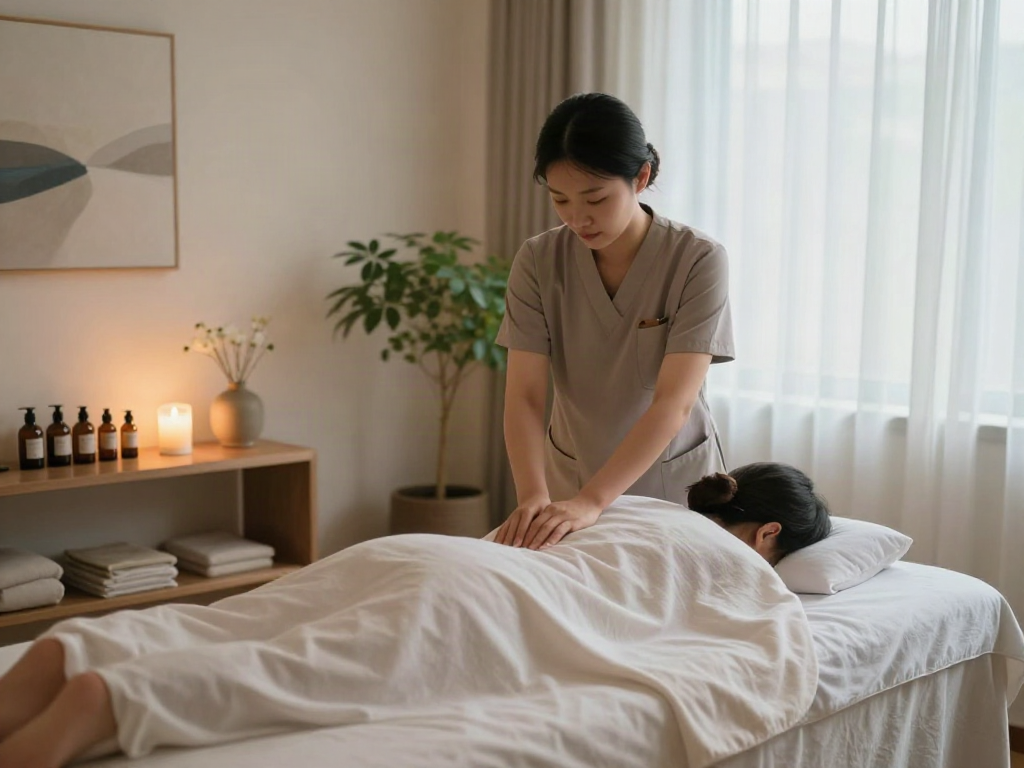
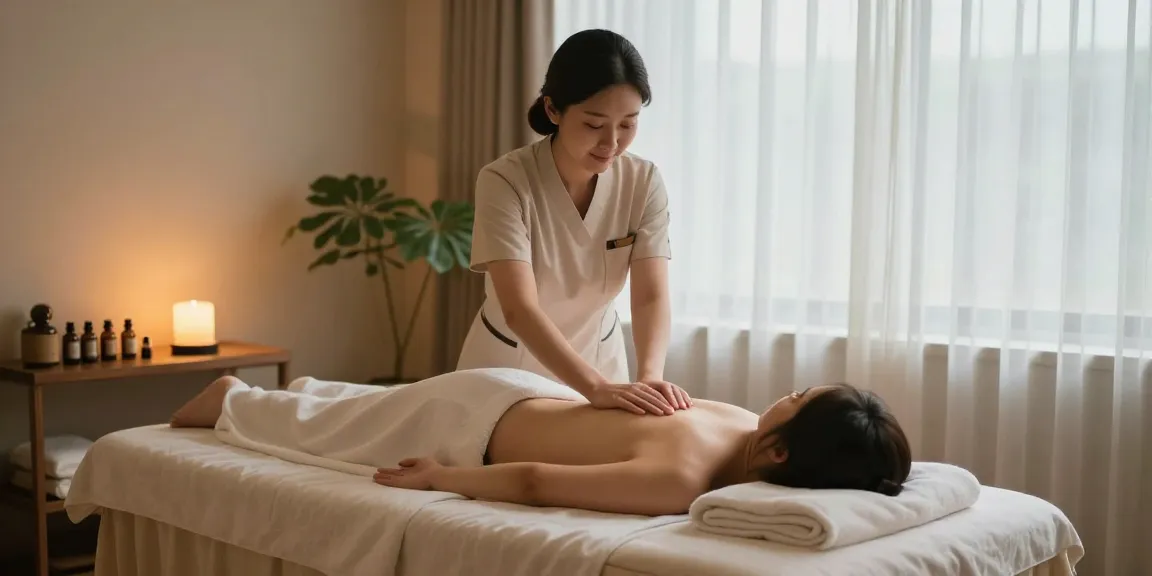
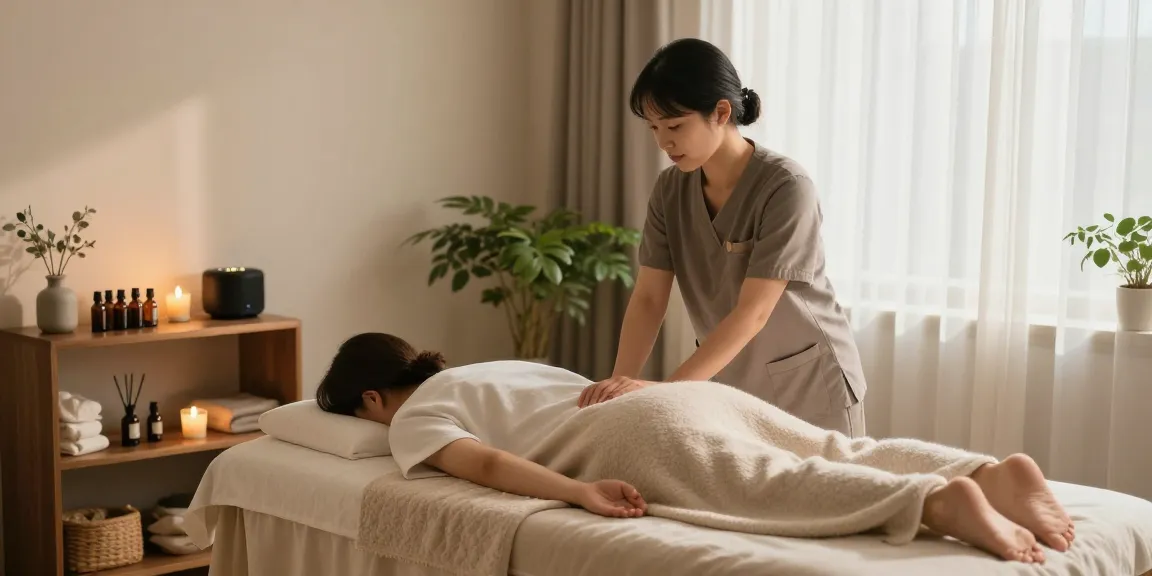
동작구출장안마 refers to the practice of professional massage therapy in the 동작구 district of Seoul, South Korea. This service encompasses a wide range of massage techniques designed to relieve tension, enhance relaxation, and improve overall health. From traditional Korean massage styles to modern therapeutic methods, practitioners in 동작구 offer customized treatments that cater to the unique needs of their clients.
Benefits of Professional Massage Therapy
Massage therapy provides a plethora of benefits that extend beyond mere relaxation. Some notable advantages include:
- Stress Reduction: Regular sessions can significantly lower cortisol levels, promoting a sense of calm.
- Pain Relief: Targeted techniques can alleviate chronic pain conditions, such as back pain and migraines.
- Improved Circulation: Massage enhances blood flow, which is essential for overall health and healing.
- Enhanced Flexibility: Massage therapy can help loosen tight muscles and improve range of motion.
- Better Sleep Quality: Many clients report improved sleep patterns after consistent massage treatments.
Common Techniques Used in 동작구출장안마
Professionals in 동작구 utilize various techniques tailored to individual client needs. Common methods include:
- Swedish Massage: A gentle technique using long strokes and kneading to induce relaxation.
- Deep Tissue Massage: Focuses on deeper muscle layers, beneficial for chronic pain relief.
- Shiatsu: A Japanese technique based on acupressure, aiming to restore energy balance.
- Aromatherapy: Combines massage with essential oils to enhance the therapeutic experience.
Choosing the Right Massage Therapist
Qualities to Look for in a Therapist
Selecting a qualified massage therapist is crucial for a positive experience. Key qualities to consider include:
- Certification: Ensure your therapist is certified and has undergone formal training.
- Experience: Look for professionals with a significant amount of hands-on experience.
- Communication Skills: A good therapist should listen to your needs and tailor treatments accordingly.
Verifying Credentials and Experience
Before scheduling a session, it’s essential to verify a therapist’s credentials. In South Korea, look for therapists who are registered with reputable institutions or organizations within the massage therapy field. This can provide assurance of their training and adherence to industry standards.
Understanding Different Specializations in Massage
Massage therapists often specialize in different techniques. Understanding these can help you choose the best option for your needs. For instance, some may focus on sports massage for athletes, while others may have expertise in prenatal massage for expectant mothers. Knowing your options can lead to a more beneficial experience.
Preparing for Your Massage Experience
How to Communicate Your Needs
Effective communication before and during your massage is vital. Be clear about your areas of discomfort, desired pressure levels, and any health concerns. This dialogue helps the therapist tailor the session to your needs, ensuring a more satisfying experience.
What to Expect During a Massage Session
Your first massage session may come with some nerves, but it's a straightforward process. You'll typically be asked to lie down on a massage table, and the therapist will begin by assessing your body and tension areas. Throughout the session, don’t hesitate to provide feedback on pressure levels or techniques, which can greatly enhance the effectiveness of the treatment.
Post-Massage Care and Recommendations
After your session, it’s important to hydrate and rest. Your body may take time to adjust after a massage, so listen to your needs and allow yourself some time to relax. Additionally, consider incorporating stretching or light activities to maintain the benefits gained during your treatment.
Incorporating Massage into Your Wellness Routine
Ideal Frequency for Treatments
The frequency of massage therapy varies according to personal wellness goals. For general maintenance, a monthly session may suffice, while those with chronic pain might benefit from weekly visits. Assess your body's response and adjust accordingly.
Complementary Wellness Practices (Yoga, Meditation)
To maximize the benefits of your massage therapy sessions, consider integrating complementary practices such as yoga and meditation. These activities enhance physical flexibility and cultivate mental peace, creating a well-rounded approach to wellness.
Tracking Progress and Results Over Time
Keeping a journal of your experiences and progress can be advantageous. Documenting any changes in pain levels, sleep quality, and stress reduction can provide insights into how massage therapy impacts your overall health and help you make informed decisions about future treatments.
Future Trends in 동작구출장안마 and Wellness
Emerging Technologies in Massage Therapy
The future of massage therapy is poised to leverage emerging technologies. Innovations such as smart massage chairs and app-based booking systems are becoming increasingly popular, enhancing accessibility and convenience for clients looking for effective relaxation solutions.
Holistic Approaches to Wellness in 2026
As we project into 2026, the holistic health movement will likely gain further traction. This signifies a shift towards integration of mind, body, and spirit in wellness practices, creating a comprehensive framework for personal well-being. Expect to see an increase in massage therapists collaborating with nutritionists, fitness trainers, and mental health professionals.
Community Engagement and Holistic Health Initiatives
Community engagement will play a pivotal role in promoting holistic health initiatives in the coming years. Local wellness fairs, donation-based therapy sessions, and workshops focusing on self-care can foster a supportive environment, encouraging more individuals to explore the benefits of massage and other wellness practices.
What Are the Benefits of Regular Massage Therapy?
Regular massage therapy is linked to a multitude of benefits, such as improved physical performance, reduced anxiety levels, and greater emotional well-being. The consistent practice of massage can lead to long-term relief from tension and stress.
How Do I Find a Qualified Massage Therapist?
Finding a qualified massage therapist involves research. Look for reviews, ask for recommendations from friends or medical professionals, and prioritize therapists who have completed accredited training programs.
What Can I Expect During My First Massage Session?
Your first session should include an initial consultation where the therapist discusses your health history and preferences. Setting clear expectations can help make the experience comfortable and beneficial.
How Does Massage Therapy Contribute to Mental Health?
Massage therapy has a profound impact on mental health by promoting relaxation and reducing symptoms of anxiety and depression. The physical touch and attention provided during a massage can facilitate a release of endorphins, improving mood and emotional resilience.
What Trends Are Shaping the Future of Massage Therapy?
The future of massage therapy is being influenced by trends such as the integration of technology, increased awareness of mental health issues, and a growing demand for holistic wellness. Therapists are adapting their practices to meet these evolving needs, ensuring relevant and effective treatments.